Author: fanyue3

  • Commercial Ice Cream Machine Maintenance Checklist for Gelato Shops

    Commercial Ice Cream Machine Maintenance Checklist for Gelato Shops

    Quick answer: clean the product-contact parts daily, inspect scraper blades and seals weekly, and schedule compressor, condenser, and electrical checks monthly or quarterly. A simple maintenance routine protects texture, reduces downtime, and extends the working life of a commercial ice cream machine.

    Maintenance is not only a hygiene task. Temperature recovery, blade condition, and airflow directly affect batch time and product consistency. A machine that is cleaned but poorly maintained can still fail during a weekend rush.

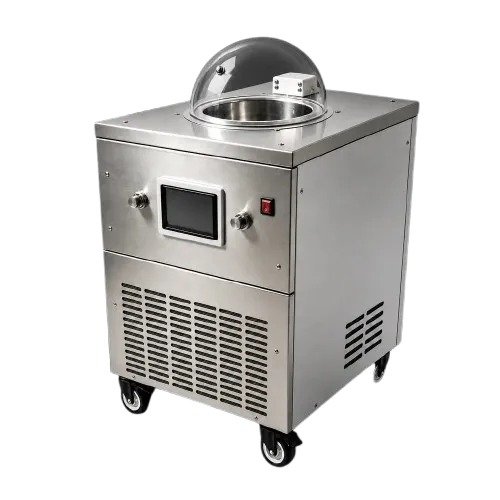
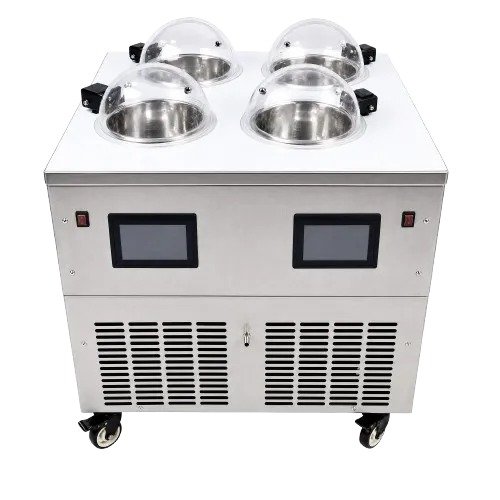
    GLACIO commercial hard ice cream batch freezer

    Daily Maintenance Checklist

    • Remove and clean the dasher, scraper blades, bowl seals, and product-contact surfaces.
    • Rinse dairy residue before it hardens and becomes difficult to remove.
    • Check the bowl and dome for cracks, chips, or loose fittings.
    • Confirm the machine reaches its normal batch consistency and serving temperature.
    • Record any unusual noise, vibration, or longer-than-normal batch time.

    Weekly Inspection

    • Inspect scraper blades for wear, gaps, or contact problems.
    • Check drive belts, hinges, handles, and lid seals.
    • Clean ventilation areas and confirm that the machine is not overheating.
    • Review batch-cycle logs and compare performance with the previous week.
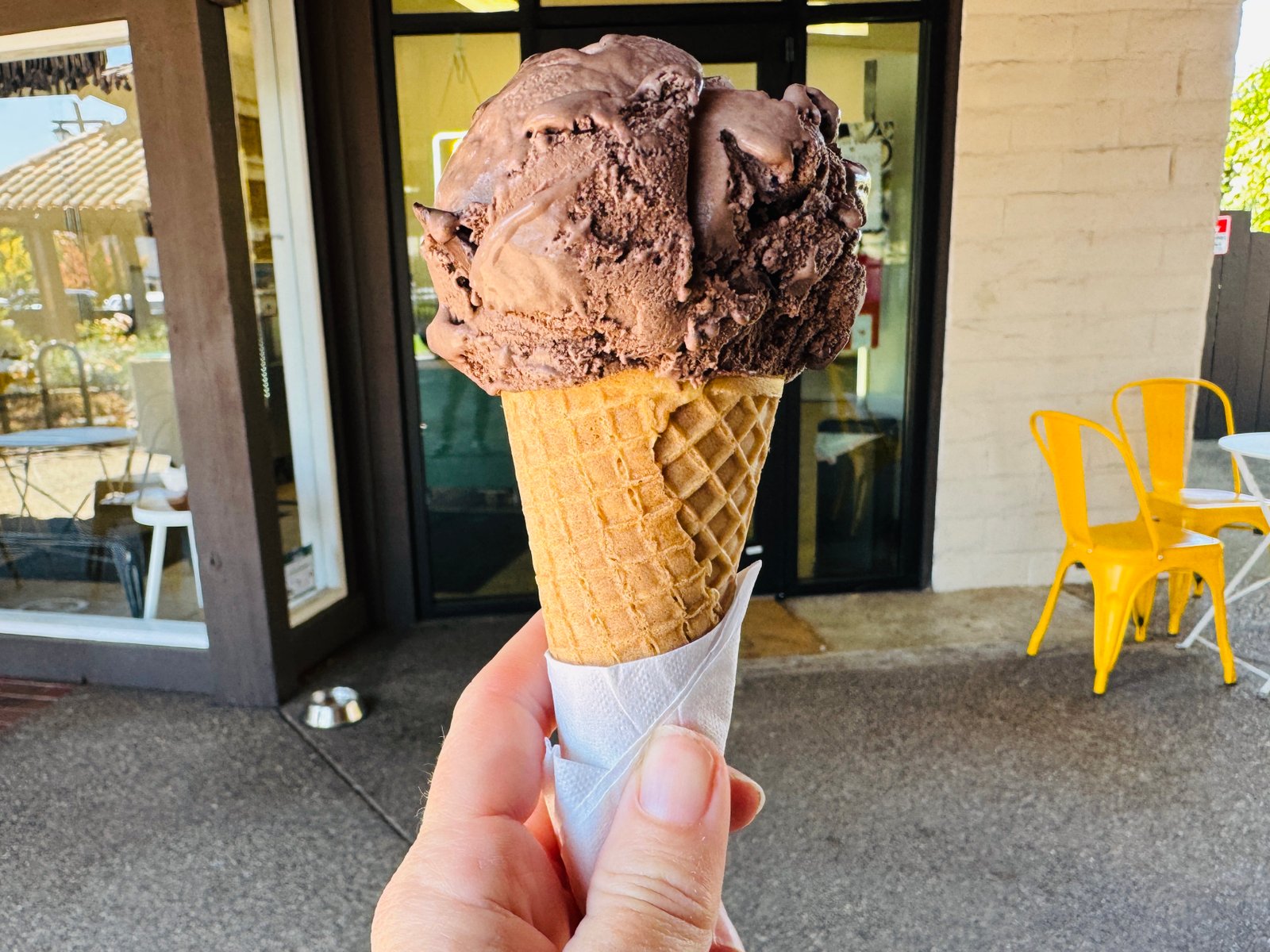
    Hard ice cream cone served from a maintained commercial machine
    Photo: Sarah Stierch, CC0

    Monthly and Quarterly Service

    ItemWhat to checkWhy it matters
    CondenserDust, airflow, and fan operationPoor heat removal increases batch time
    RefrigerationPressure, temperature recovery, leaksProtects consistency and compressor life
    ElectricalConnections, controls, error historyPrevents intermittent shutdowns
    Wear partsBlades, seals, belts, gasketsAvoids product-quality problems

    Common Signs a Machine Needs Service

    • Batch time becomes noticeably longer.
    • Ice cream is softer, icier, or less consistent.
    • The compressor runs longer or cycles more frequently.
    • New vibration, grinding, or unusual noise appears.
    • Water, frost, or condensation forms where it should not.

    Frequently Asked Questions

    How often should an ice cream machine be cleaned?

    Product-contact parts should be cleaned daily or according to your local food-safety rules. Condensers, refrigeration, and electrical components need a less frequent scheduled service.

    How long do scraper blades last?

    Blade life depends on usage and mix abrasiveness. Inspect them weekly and replace them when they stop making even contact or when product texture changes.

    Can I perform maintenance myself?

    Daily cleaning and visual inspections are normal operator tasks. Compressor, refrigeration, and electrical work should be handled by a qualified technician or with remote guidance from the manufacturer.

    Build a Maintenance Log, Not a Memory Habit

    Keep a simple log with date, batch time, cleaning, parts inspection, and any unusual symptoms. The log makes it easier to spot a slow decline before the machine fails during peak service.

    Explore GLACIO commercial batch freezers or contact the factory for a spare-parts and service plan.

  • How Many Bowls Does Your Ice Cream Shop Really Need?

    How Many Bowls Does Your Ice Cream Shop Really Need?

    Quick answer: match the number of bowls to the number of flavors you need available at the same time during peak hours. A small cafe may need one or two bowls; a busy gelato bar usually needs four; a high-traffic shop with six or more active flavors should compare the six-bowl platform.

    Buying too few bowls creates a production bottleneck. Buying too many increases power use, cleaning time, and counter space. The right answer comes from the menu, not from the total number of flavors the shop may sell over a year.

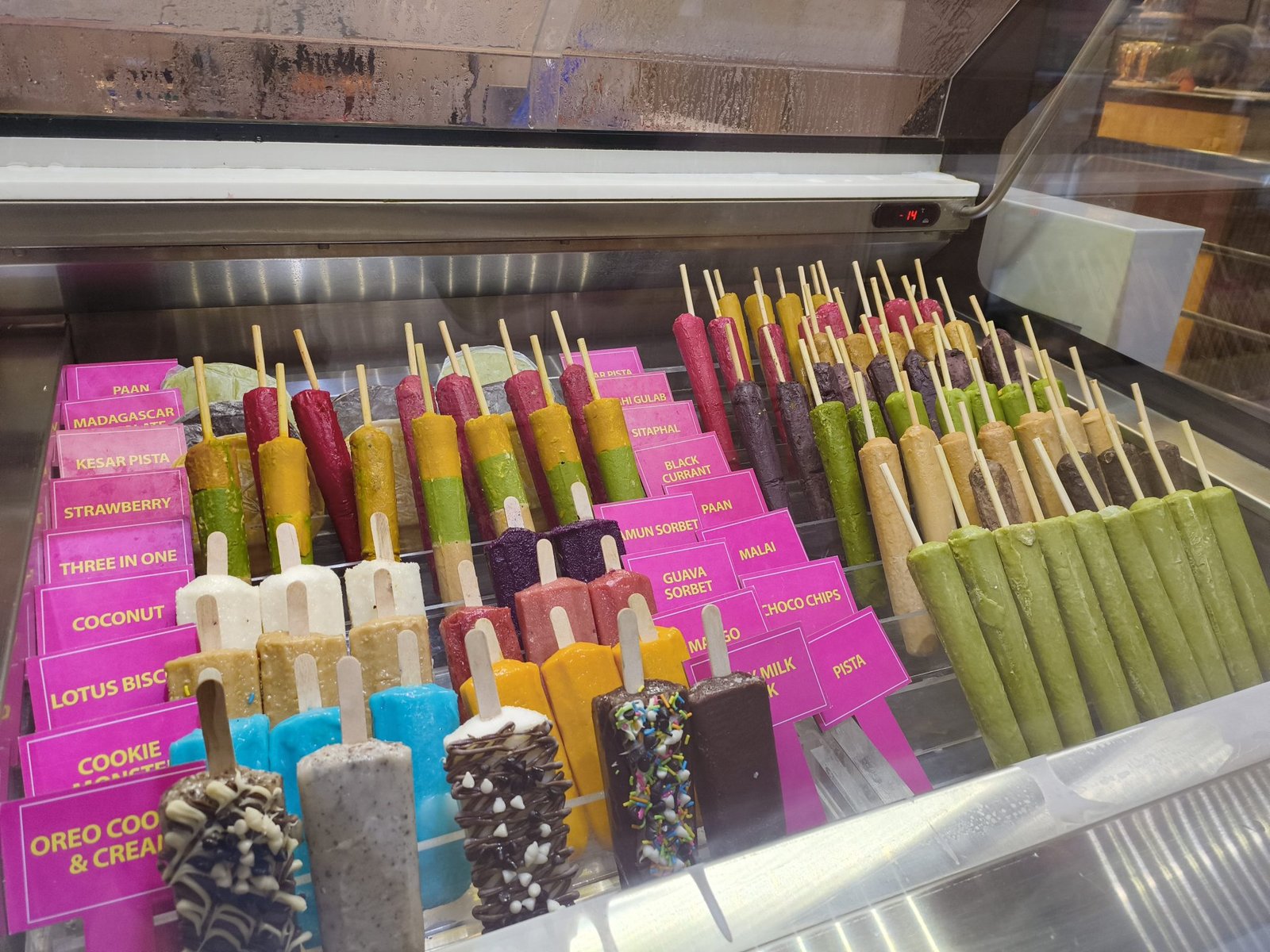
    Colorful ice cream and sorbet display case
    Photo: Raju Alam, CC0

    Count Simultaneous Flavors, Not Total Recipes

    Imagine a shop with 30 recipes. It may still sell only six flavors on a normal Tuesday. The machine does not need 30 bowls; it needs enough bowls to keep the peak-hour menu available.

    Service modelSimultaneous flavorsPractical bowl count
    Cafe or bakery counter1-21-2 bowls
    Small ice cream shop2-42-4 bowls
    Busy gelato bar4-64-6 bowls
    Multi-flavor production6+Multiple machines or six-bowl platform

    How Batch Time Changes the Decision

    A 15-20 minute batch cycle lets staff restock a flavor before it sells out. If the batch takes much longer, the shop needs either more bowls or more production time before service begins.

    • One bowl: best for one signature flavor or a test counter.
    • Two bowls: supports two staple flavors and simple menu rotation.
    • Four bowls: creates room for two classics, one seasonal flavor, and one sorbet.
    • Six bowls: fits a high-traffic display with multiple dairy and fruit options.
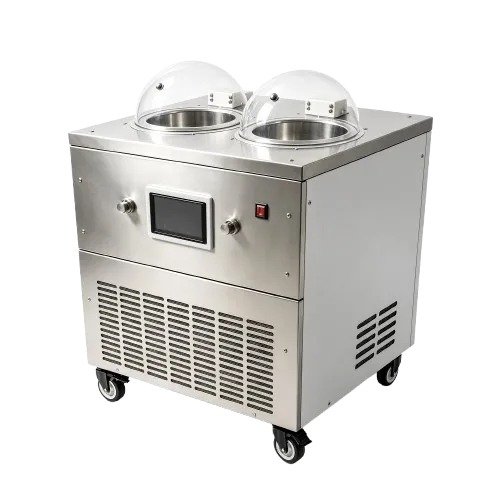
    Commercial ice cream machine with four open bowls

    Independent Circuits Matter More as You Add Bowls

    Two bowls can share one refrigeration circuit in a simple operation. Four or six bowls benefit from independent circuits because part of the machine can be cleaned, defrosted, or switched off without stopping the entire counter.

    Frequently Asked Questions

    How many bowls do I need for four flavors?

    Plan for at least four bowls if customers expect all four flavors to be available at the same time. If two flavors are alternated by day, a two-bowl machine may still work.

    Can I add bowls later?

    Some platforms are modular, but adding bowls later may also require more power, cabinet space, and refrigeration circuits. It is usually more economical to plan for the next two years of menu growth before buying.

    Do more bowls always mean more output?

    Not automatically. Output depends on batch time, bowl volume, and recovery between cycles. Compare liters per hour and the number of independent circuits alongside bowl count.

    Choose the Smallest Machine That Covers Peak Demand

    List the flavors you need at 2 p.m. on a Saturday, not the flavors you might sell during a holiday promotion. That list produces a clear bowl recommendation and a better equipment budget.

    Compare GLACIO batch freezers or send your peak-hour flavor list for a bowl recommendation.

  • Gelato vs Hard Ice Cream: Equipment and Menu Guide for Shop Owners

    Gelato vs Hard Ice Cream: Equipment and Menu Guide for Shop Owners

    Quick answer: gelato and hard ice cream can be made on the same commercial batch freezer, but they are not the same product. Gelato usually has lower overrun and is served slightly warmer; hard ice cream is churned with more air and held colder for a firmer scoop.

    The equipment decision comes down to the menu you want to sell. A shop built around display, texture, and premium flavors needs different production planning than one built around fast cones and soft serve.

    Gelato served in a cone
    Photo: Jakub Kapusnak, CC0

    Gelato vs Hard Ice Cream: The Practical Differences

    FactorGelatoHard ice cream
    TextureDense, silky, slower churnFirmer, creamier, often more overrun
    Air contentUsually lower overrunUsually higher overrun
    Serving temperatureServed slightly warmerHeld colder for a firm scoop
    Menu fitFlavor-focused, plated desserts, cafesScoop shops, cones, sundaes, takeaway pints
    EquipmentBatch freezer or gelato machineBatch freezer plus hardening/freezing space

    Can the Same Machine Make Both?

    In most commercial shops, yes. A batch freezer churns and freezes the mix; the recipe and process determine whether the machine is producing gelato, hard ice cream, sorbet, or another frozen dessert. What changes is the mix formula, the target overrun, the churn profile, and the final holding temperature.

    A machine with separate production controls, multiple bowls, and independent refrigeration circuits gives you more flexibility to sell both products at the same time.

    Colorful ice cream and sorbet display case
    Photo: Raju Alam, CC0

    Which Product Fits Your Business?

    Choose gelato when flavor is the main attraction

    Gelato works well in cafes and dessert bars where customers want to taste a specific flavor, pair it with coffee or pastry, or order it as a plated dessert. The lower overrun creates a denser product, and the warmer serving temperature makes the flavor feel more immediate.

    Choose hard ice cream when scooping and volume matter

    Hard ice cream fits scoop shops, family dessert counters, and takeaway businesses. It can be served in cones, cups, sundaes, milkshakes, and pints. The firmer texture also works well in display cases and packaging.

    Choose both when your menu needs more than one reason to visit

    A cafe can sell gelato with espresso and hard ice cream in cones. A bakery can use one product for cakes and another for takeaway. If both have real customer demand, plan for enough bowls and storage rather than forcing one product to do two jobs badly.

    What to Look for in the Machine

    • Multiple bowls: lets you keep different flavors available at once.
    • Independent circuits: supports different temperatures and service needs across the machine.
    • Stable hold temperature: keeps the texture consistent after the batch is finished.
    • Clear dome and anti-fog system: improves display without letting condensation hide the product.
    • Easy cleaning: matters every day, especially when switching between dairy, fruit, and sorbet recipes.
    Commercial batch freezer with open bowls for gelato and hard ice cream

    Frequently Asked Questions

    Is gelato healthier than hard ice cream?

    “Healthier” is not the right comparison. Nutrition depends on the recipe, sugar, milk fat, serving size, and added ingredients. Gelato often has lower overrun, so a smaller volume can deliver more flavor, but the formulation still determines the final nutrition.

    Does gelato need a different machine?

    Not necessarily. Many commercial batch freezers can make both gelato and hard ice cream. The main differences come from the recipe, overrun target, churn profile, and serving temperature.

    Can I sell gelato and hard ice cream from the same display?

    Yes, but check the serving temperatures and display design. A machine with separate bowls and circuits can hold different products at their intended texture without forcing one compromise temperature.

    Build the Menu Before the Machine

    List the products you want to sell, the number of flavors available at peak hours, and the texture customers expect. Those answers determine bowl count, output, circuits, and storage more accurately than a generic equipment list.

    Ice cream dessert served in a cafe
    Photo: Manjil Aryal, CC0

    Explore GLACIO batch freezers for gelato and hard ice cream or tell us your menu and daily production target for a specification-based recommendation.

  • Commercial Hard Ice Cream Machine Buying Guide for New Ice Cream Shops

    Commercial Hard Ice Cream Machine Buying Guide for New Ice Cream Shops

    Quick answer: a commercial hard ice cream machine is not chosen by brand alone. Match its hourly output to your daily cup volume, confirm that the cylinder and compressor can hold a stable serving temperature, and count the number of independent circuits before you compare price.

    If you are opening an ice cream shop, cafe, bakery, or dessert bar, the machine decision affects three things at once: how many flavors you can sell, how fast you can restock during peak hours, and how much labor it takes to keep the counter moving.

    Gelato display case inside an ice cream shop
    Photo: Nilo Velez, CC0

    Start With Daily Cups, Not with the Largest Machine

    The most expensive mistake is buying too much machine for the first year. A four-bowl unit looks impressive, but if you sell two flavors per day, half the machine is simply a stainless-steel reminder that you overbought.

    Use this simple estimate before requesting a quote:

    • 50 cups per day: one or two flavors, one production window, and a small display machine may be enough.
    • 100-200 cups per day: plan for multiple flavors and at least two production cycles during the day.
    • 300+ cups per day: capacity, recovery time, and independent refrigeration circuits become more important than the purchase price.

    The Four Specifications That Decide Real Output

    1. Liters per hour

    Liters per hour tells you how much product the machine can produce across repeated batches. It is more useful than “capacity” alone because a large bowl that takes too long to recover will still slow down your counter.

    2. Number of bowls and circuits

    Each bowl represents a flavor that can be available at the same time. Circuits determine how much of the machine can run independently. A four-bowl machine with two circuits can run two flavors while the other section is being cleaned or serviced.

    3. Batch time

    If a batch takes 15 minutes, you can produce four cycles per hour. If it takes 35 minutes, your ability to restock during lunch or a weekend rush changes completely. Ask for the batch time at your target recipe, not the fastest possible test mix.

    4. Serving-temperature stability

    Hard ice cream needs a stable, cold serving temperature so it stays scoopable without melting. Look for a machine that can hold the bowl at a controlled temperature after the batch is finished, rather than one that only freezes during the churn cycle.

    Production Machine or Display Machine?

    Many new buyers use those terms interchangeably, but they solve different problems.

    RequirementProduction batch freezerDisplay batch freezer
    Main goalMake larger volumes efficientlyMake and display product at the counter
    Customer experienceProduction happens out of viewCustomers see the product churn and choose a flavor
    Best forCentral kitchens and high-volume productionCafes, gelato bars, dessert shops, bakeries
    Flavor visibilityDepends on a separate display caseBuilt directly into the bowl layout
    GLACIO GB-Series hard ice cream batch freezer

    What a Practical Quote Should Include

    • Bowl count, bowl volume, and output per hour
    • Number of independent refrigeration circuits
    • Power requirement and voltage configuration
    • Dimensions, weight, and required counter clearance
    • CE/ETL documentation, HS codes, and warranty terms
    • Spare-parts list and expected dispatch time

    If a supplier cannot answer those six items in writing, the quote is not complete enough to compare with another machine.

    Example: GLACIO GB-Series Capacity

    ModelBowlsOutputIndependent circuitsGood fit
    GB-11 x 6 L14 L/h1Small cafe or first counter
    GB-22 x 6 L28 L/h1Two staple flavors
    GB-44 x 6 L56 L/h2Busy gelato bar with four flavors
    GB-66 x 6 L84 L/h3High-traffic shop or multi-site production

    These figures show why bowl count should be tied to the menu. The machine is not just a freezer; it is the production schedule behind the display case.

    Hard ice cream cone made with a commercial batch freezer
    Photo: Sarah Stierch, CC0

    Frequently Asked Questions

    How much does a commercial hard ice cream machine cost?

    The price depends on bowl count, circuits, voltage, configuration, and freight. Compare the full delivered cost, not only the machine price. A complete quote should include export documentation, spare parts, warranty, and after-sales support.

    Can one machine make hard ice cream and gelato?

    Yes. Many commercial batch freezers can make hard ice cream, gelato, sorbet, and similar frozen desserts. The recipe, overrun target, and serving temperature change the final result.

    How many bowls do I need?

    Count the number of flavors you expect to keep available during peak hours. If customers expect four flavors at once, a four-bowl machine prevents constant production bottlenecks.

    Get the Machine Spec Before the Quote

    Tell the supplier your daily cup estimate, peak-hour volume, number of flavors, available voltage, and counter dimensions. Those five numbers turn a generic machine list into a practical recommendation.

    Explore GLACIO commercial batch freezers or request a quote with your daily production plan.

  • Hard Ice Cream Machine Buying Guide for Home Bakers and Small Food Businesses

    Hard Ice Cream Machine Buying Guide for Home Bakers and Small Food Businesses

    Quick answer: if you want real hard ice cream from a hard ice cream machine at home or for a tiny side project, buy a compressor ice cream maker with at least 1.5 quarts of bowl capacity. Start around $350-380 with the Cuisinart ICE-100 or Whynter ICM-200LS; step up to the Lello 4080 Musso Lussino near $800 when texture and longevity matter more than the sticker price.

    Your First Batch Probably Did Not Fail Because of the Recipe

    After testing ice cream machines for years, I can usually predict the problem after one taste. The base is balanced. The vanilla is good. But the texture is icy, or the batch comes out so soft that it drains out of the bowl before it reaches the freezer. That is not a recipe problem. That is a machine-selection problem.

    Home bakers and small food business owners often buy the cheapest option first, then spend the next year convincing themselves that “you just have to pre-freeze the bowl for 24 hours.” Sometimes that works. Usually it does not survive a busy Sunday or a farmers market deadline.

    This guide is built around real choices: how hard ice cream is different from soft serve, which parts of the machine decide texture, and which three mainstream models make sense at different budgets.

    Hard ice cream scoops made by a compressor hard ice cream machine

    Hard Ice Cream vs Soft Serve: Know What You Are Making

    Soft serve is frozen, aerated, and dispensed continuously at a warmer serving temperature. It is meant to be served immediately, straight from the machine, usually within seconds of the customer ordering.

    Hard ice cream is churned in a batch, then chilled to a lower temperature so it becomes firm enough to scoop, plate, and store. That final firmness is why it can sit in a display case, travel in a pint, or become the centerpiece of a dessert.

    Here is the nuance most beginner guides skip: many home compressor machines finish at a soft-serve-like consistency. The machine does the churning and freezing work, but you still need to transfer the batch to your freezer for several hours to develop a true scoopable texture. That is normal, not a defect.

    Two Types of Hard Ice Cream Machines

    Pre-Freeze Bowl Machines

    Budget models use a removable bowl that must sit in a freezer at roughly -18 degrees C for 12-24 hours before use. The bowl then provides the cold during the churn cycle.

    • Good for: first experiments, small households, and people who make one batch every few weeks.
    • Hard limit: one batch per session. Refreezing the bowl takes most of a day.
    • Typical price: $40-150.

    Built-in Compressor Machines

    Compressor models freeze the bowl themselves, so there is no pre-freezing step and no limit of one batch per day. This is the category this guide recommends for serious home bakers and small sellers.

    • Good for: repeat batches, entertaining, gelato experiments, and small-batch product testing.
    • Trade-off: heavier, noisier, and more expensive than a bowl machine.
    • Typical price: $300-900.

    Core Buying Points That Actually Matter

    1. Buy the compressor, not the wattage number

    A common mistake is comparing “watts” as if a bigger number means better ice cream. In practice, the compressor and bowl design matter more than the motor rating. The compressor must hold a stable freezing temperature while the paddle churns, which is why a well-built 150-180 W compressor machine can outperform a weaker unit with a flashy number on the box.

    Scenario: you want to make a second flavor immediately after the first batch. A pre-freeze bowl machine stops you cold; a compressor machine lets you rinse the bowl, pour fresh mix, and start again in minutes.

    2. Match bowl capacity to how much you actually serve

    The most practical home range is 1.5-2.1 quarts. That is enough for a family batch or a small product test without forcing you to store a huge machine.

    Scenario: the Whynter ICM-200LS holds about 2.1 quarts, which is closer to two-and-a-half standard pints of finished product. The Cuisinart ICE-100 and Lello 4080 hold about 1.5 quarts, which suits smaller households and richer recipes. If your plan is selling pints at an event, neither home model is a production machine.

    3. Check the freezing bowl and paddle material

    Machines in this price range usually use stainless steel bowls or heavy-duty aluminum cylinders. A rigid cylinder transfers cold more consistently, and a well-shaped dasher controls overrun. You should also check whether the model ships a separate gelato-style paddle, because gelato and hard ice cream benefit from different churn speeds.

    Scenario: the Cuisinart ICE-100 includes two paddles: one for ice cream and one for gelato. That is not marketing fluff; a slower, softer churn helps you build the denser structure gelato should have.

    4. Look for a timer and automatic motor protection

    Most compressor machines run a 40-60 minute cycle. A clear timer helps you repeat recipes, and motor protection stops the paddle if the batch freezes solid. If a machine has neither, you have to babysit every batch.

    Scenario: you leave the kitchen to answer messages while testing a recipe. With a 60-minute timer and automatic shutoff, the machine stops at a predictable point instead of churning until the motor strains.

    5. Plan for noise and waste heat

    Compressor machines are not silent. They also push warm air out while they freeze, which is the physics of moving heat out of the bowl. Keep the unit on an open counter, leave clearance around the vents, and run it before your kitchen gets crowded.

    6. Buy something you can clean without taking apart

    You will use a home hard ice cream machine most often on busy evenings. If cleaning takes 20 minutes and involves scrubbing a sealed system, you will quietly stop using it. Look for a removable bowl, removable dasher, and easy access to the lid seal.

    7. Read the warranty and parts situation before paying more

    At $800, you are not paying only for capacity; you are paying for build quality and the chance of finding replacement parts later. At any budget, search for the manufacturer warranty and whether paddles, seals, or bowls are sold separately.

    Three Mainstream Models Compared

    Prices below are U.S. list-price or street-price guides as of 2026. Retail prices change, and the exact current deal matters less than which category fits your kitchen.

    ModelPrice guideCapacityFreeze systemBest forWatch out
    Whynter ICM-200LS~$3502.1 quartsBuilt-in compressor, 180 WLarge family batches and parties under $400Controls are simple but less flexible for gelato-style paddle settings
    Cuisinart ICE-100$379.95 list1.5 quartsBuilt-in compressor, 60-minute timerPeople who want ice cream and gelato paddles in one compact unitSmaller batches than the Whynter; check counter clearance
    Lello 4080 Musso Lussino~$8001.5 quartsBuilt-in compressor, 150 WHome bakers who want pro-style texture, stability, and long service lifeExpensive, heavy, and still not a commercial output machine

    Whynter ICM-200LS: the practical under-$400 pick

    The Whynter gives you the largest common batch size in this price class at 2.1 quarts, with a stainless steel bowl, LCD timer, and no pre-freezing. If you cook for four to six people or want enough product to test several flavors, this is the machine I recommend starting with.

    Cuisinart ICE-100: the easiest ice cream + gelato combo

    The ICE-100 is compact, predictable, and includes separate ice cream and gelato paddles. At 1.5 quarts, each batch is smaller, but the two-paddle system makes it easier to compare a dense gelato churn against a standard hard ice cream churn. It is also the model I would hand to a curious home baker who wants clear controls.

    Lello 4080 Musso Lussino: the upgrade worth saving for

    The Lello is the machine I reach for when a recipe must be reproducible. It is made in Italy, uses a heavy-duty freezer cylinder, and has earned its reputation through years of home use rather than a single viral video. The 1.5-quart capacity and near-$800 price make it a poor impulse buy, but a fair investment if you plan to make hard ice cream and gelato every week for years.

    When a Home Machine Is Not Enough

    A 1.5-2.1 quart home compressor machine produces roughly 6-8 scoops per batch and one batch per 40-60 minutes. That is excellent for a family or a product test. It is not a production plan for a real ice cream shop, weekend event sales, or wholesale orders.

    If sales outgrow the kitchen counter, look at commercial hard ice cream batch freezers. A GLACIO GB-Series open-bowl batch freezer, for example, uses 6-liter bowls and produces roughly 14-84 L/h depending on bowl count, with a 15-20 minute cycle. That is the equipment category built for dependable scoop-shop volume, not one more batch before dinner.

    Commercial hard ice cream batch freezer for a growing ice cream business

    Can a home ice cream maker make hard ice cream?

    Yes, with one extra step. A compressor home machine churns and partially freezes the mix; you then transfer the batch to the freezer for several hours so it becomes firm enough to scoop.

    Do I need a compressor ice cream machine?

    If you make ice cream more than a few times per year or want to make multiple flavors, yes. A compressor machine removes the 12-24 hour pre-freeze wait and makes repeat batches practical.

    What is the best hard ice cream machine under $400?

    Two models stand out: the Whynter ICM-200LS for 2.1-quart batches around $350, and the Cuisinart ICE-100 at $379.95 list for its ice cream and gelato paddles. Choose by whether capacity or recipe flexibility matters more.

    Can I use a home machine for a small ice cream business?

    Use it to test recipes, but not to meet real production volume. A home machine makes 1.5-2.1 quarts per batch; a commercial batch freezer is designed for continuous scoop-shop output measured in liters per hour.

    What should I look for in a hard ice cream machine for home use?

    Prioritize a built-in compressor, at least 1.5 quarts of bowl capacity, a stable freezing cycle, and easy cleaning. A hard ice cream machine that makes repeat batches without a 12-24 hour pre-freeze wait is more practical for home bakers who test several flavors.

    Pick the Machine You Will Use on a Tuesday

    Buy the compressor. Match the bowl size to your counter and your realistic weekly output. Do not spend $800 just because it looks serious, and do not buy a $50 bowl machine when you already know you will want a second batch tonight.

    Premium hard ice cream scoop worth buying the right machine for

    So tell me honestly: which machine is sitting on your counter, and what does your latest batch taste like? Share your model, your budget, and your biggest ice cream failure in the comments, because the best equipment advice comes from people who have already churned through the trial-and-error.

    For more guidance, compare hard ice cream vs soft serve machines and read the commercial hard ice cream machine guide when your small-batch tests become a real business.

  • Hard Ice Cream Machine vs Soft Serve Machine: Which Should You Buy?

    Hard Ice Cream Machine vs Soft Serve Machine: Which Should You Buy?

    Quick answer: choose a hard ice cream machine or hard serve ice cream machine if you want dense, scoopable hard ice cream or gelato served by the scoop. Choose a soft serve machine if you want high-volume cones and cups drawn continuously from a lever. They make different products, and neither machine replaces the other.

    Is a Hard Serve Ice Cream Machine the Same as a Hard Ice Cream Machine?

    Some buyers use hard serve ice cream machine when they mean equipment that makes scoops of firm, hard-packed ice cream. In commercial equipment listings, the same product category is normally described as a hard ice cream machine or batch freezer. The important distinction is serving style: hard serve means scoopable product, while soft serve is drawn continuously from a tap. For a category definition, see the commercial hard ice cream machine guide.

    The Difference in One Paragraph

    A hard ice cream machine batch-freezes liquid mix into a product with lower overrun and a colder serving temperature, so it can be scooped, displayed, plated, and paired with desserts. A soft serve machine continuously freezes a higher-overrun mix and dispenses it immediately into cups and cones at a warmer, softer serving temperature.

    If someone asks “What is a hard ice cream machine?”, the short answer is a batch freezer. If they ask which machine an ice cream shop needs, the real answer depends on the menu and service model.

    GLACIO GB-4 hard ice cream machine with open batch freezer bowls

    Hard Ice Cream Machine vs Soft Serve Machine: Comparison

    FactorHard ice cream machineSoft serve machine
    ProductDense, scoopable hard ice cream or gelatoSoft, high-overrun product drawn directly from the tap
    Freezing methodBatch churn and freeze, typically 15-20 min per batchContinuous freezing and dispensing
    Serving temperatureLower, firm enough to scoop and plateWarmer, smooth enough to serve immediately
    Flavor flexibilityMultiple bowls can hold different flavors at onceUsually limited by the number of mix tanks or flavor circuits
    LaborStaff portion and scoop; presentation mattersFaster draw from machine with less product handling
    Best menu fitScoop shops, gelato bars, dessert cafes, bakeriesHigh-volume cone-and-cup service, convenience menus
    PresentationDesserts, plated dishes, cups, cones, samplesSwirl-topped cones and cups

    What Is Hard Ice Cream?

    Hard ice cream is churned and frozen in batches, then held at a cold enough temperature that it becomes a firm, scoopable product. It can be produced as classic hard ice cream, gelato, sorbet, or Italian ice depending on the mix and churning method.

    Hard ice cream gives a shop more control over texture and flavor. Because it is batch-made, each flavor can be churned on its own schedule. Because it is held below the soft-serve serving range, it can be formed into scoops, displayed in cases, and used as an ingredient in desserts.

    Plated hard ice cream dessert made with GLACIO equipment

    What Is Soft Serve?

    Soft serve is frozen and aerated continuously inside the machine, then drawn straight into a cup or cone. The product is served at a warmer temperature and higher overrun, which is why it comes out with a smooth, lighter texture and the machine can produce more servings per hour with less waiting between customers.

    Soft serve is excellent for speed, consistency, and simple operation. The trade-off is that the machine limits the menu to the product family in its mix circuit, and the result is less suitable for the scoop-and-plate service that defines a traditional hard ice cream shop.

    Which One Does Your Shop Need?

    Choose a hard ice cream machine when:

    • You want scoopable hard ice cream or gelato rather than soft serve.
    • You plan to offer multiple premium flavors or rotate recipes.
    • Desserts, plated dishes, or display service are part of your brand.
    • Your customers expect to see and choose from a case or open bowl.
    • You can schedule batches around peak demand.

    Choose a soft serve machine when:

    • You need a very high volume of cones and cups per hour.
    • You want the lowest possible labor per serving.
    • Your menu can stay limited to vanilla, chocolate, or one or two soft flavors.
    • Customers should receive product within seconds of ordering.
    • You are not building a dessert or scoop-shop identity.

    Some businesses run both types of machine: hard ice cream or gelato builds the premium menu, while a soft serve line covers fast, high-volume items. Plan for the second machine only when the demand and staffing justify it.

    Can One Machine Make Both?

    No. A soft serve machine does not batch-freeze product to the lower serving temperature and firm texture needed for scoops. A hard ice cream batch freezer does not dispense continuous soft serve. If you want both on the menu, you need separate equipment for each service line.

    Premium hard ice cream scoop from a commercial hard ice cream machine

    Is a hard ice cream machine the same as a gelato machine?

    The equipment category is the same: a batch freezer. Hard ice cream and gelato use different mix formulas and churning techniques, but many commercial batch freezers can make both.

    Can a soft serve machine make hard ice cream?

    No. Soft serve machines are designed to freeze, aerate, and dispense soft product continuously. They do not batch-freeze to the firmer serving temperature needed for scoopable hard ice cream.

    Which is more profitable: hard ice cream or soft serve?

    Profit depends on price, volume, labor, mix cost, and menu design. Soft serve can win on servings per hour; hard ice cream and gelato can support higher per-serving prices, premium flavors, and dessert sales. Project both scenarios for your own customer volume before choosing.

    How many flavors can a hard ice cream machine hold?

    In an open-bowl batch freezer, each refrigerated bowl can hold one flavor at a time. A one-bowl machine makes one flavor per cycle; a two-, four-, or six-bowl machine can keep several flavors available at once.

    Match the Equipment to the Customer Experience

    Do not choose a machine category by price alone. Decide first whether the brand promise is premium scoops, fast cones, or both. A commercial hard ice cream machine fits a scoop shop that wants control over product quality and presentation; a soft serve line fits a high-velocity, limited-menu operation.

    GLACIO builds open-bowl hard ice cream batch freezers with one to six refrigerated bowls, independent circuits, clear anti-fog domes, and export-ready configurations. Tell GLACIO your store count, daily cups, and voltage for a bowl count and quote.

  • What Is a Commercial Hard Ice Cream Machine? A Buyer’s Guide for Ice Cream Shops

    What Is a Commercial Hard Ice Cream Machine? A Buyer’s Guide for Ice Cream Shops

    Quick answer: a commercial hard ice cream machine is a batch freezer that churns and freezes liquid ice cream mix into scoopable hard ice cream at about -12 degrees C, ready in 15-20 minutes per batch. It is the equipment an ice cream shop uses when the goal is dense, premium, scoopable product rather than soft serve straight from a tap.

    What Does a Commercial Hard Ice Cream Machine Do?

    A commercial hard ice cream machine does not simply freeze liquid mix. It churns the mix while it freezes, which controls two things that decide whether your ice cream looks and tastes professional: overrun and texture.

    In a batch freezer, the barrel scrapes the freezing mix from the cylinder wall, folds air into the product, and keeps the temperature low enough for the result to hold its shape after it leaves the machine. The finished product is transferred to a hardening cabinet or served directly from a refrigerated batch bowl at the right scooping temperature.

    GLACIO GB-4 showcase hard ice cream machine at counter height

    How a Hard Ice Cream Machine Works

    The process is easy to understand once you compare it with soft serve:

    • Load the mix: prepared liquid ice cream or gelato mix is poured into a refrigerated bowl.
    • Churn and freeze: the dasher turns continuously while the refrigeration system freezes the mix against the cylinder wall.
    • Control the texture: the scraper blades remove the frozen layer as it forms, producing a smooth, dense texture instead of an icy block.
    • Stop at the correct consistency: a typical batch cycle takes 15-20 minutes, at which point the product is thick enough for scooping but not frozen solid.
    • Hold and serve: in a refrigerated bowl machine, the product can stay at serving temperature and be scooped directly through the service window.

    That last step matters more than most new buyers expect. Hard ice cream needs a low, stable serving temperature. If the bowl or cabinet temperature fluctuates, the product can soften, refreeze, or develop coarse ice crystals between batches.

    Hard Ice Cream Machine vs Soft Serve Machine in One Line

    A soft serve machine continuously freezes aerated mix and draws it into cones and cups at a higher serving temperature. A hard ice cream machine batch-freezes a smaller amount to a lower temperature, producing dense, scoopable ice cream or gelato that can be displayed, plated, and sold by the scoop.

    If your menu is built around scoops, flavors, and desserts, a hard ice cream machine is the category you need. If your menu is built around high-volume cones and cups dispensed at the touch of a lever, compare it with soft serve before you buy. For a full decision guide, see hard ice cream machine vs soft serve machine.

    What to Look for When Buying a Commercial Hard Ice Cream Machine

    Do not choose a hard ice cream machine by appearance alone. Match these specifications to your sales plan:

    • Output per hour: how much product the machine can make when you are running batches back to back.
    • Number of bowls or cylinders: how many flavors you can produce and keep available at the same time.
    • Batch cycle time: how long each flavor takes before it is ready to serve.
    • Independent refrigeration circuits: whether you can switch off or service part of the machine without losing the whole counter.
    • Bowl temperature stability: whether the product can be displayed without melting, refreezing, or forming frost.
    • Power and footprint: whether your voltage, floor space, and counter layout can support the machine.
    • Cleaning design: removable parts and automated cleaning reduce labor and hygiene mistakes.
    • Certification, warranty, and parts support: CE/ETL documentation, a realistic design life, and fast spare parts access protect the investment.

    Capacity Comparison: GLACIO GB-Series

    GLACIO builds open-bowl showcase batch freezers with one to six bowls. Each 6-liter bowl produces hard ice cream or gelato in a 15-20 minute cycle, and the bowls keep the finished product at serving temperature.

    ModelBowlsOutputBatchCircuitsPowerWeight
    GB-11 x 6 L14 L/h15-20 min11.6 kW / 220 V96 kg
    GB-22 x 6 L28 L/h15-20 min12.5 kW / 220 V138 kg
    GB-44 x 6 L56 L/h15-20 min24.8 kW / 220 V235 kg
    GB-66 x 6 L84 L/h15-20 min37.2 kW / 220 V330 kg

    A small cafe or bakery may only need one bowl and one circuit. A shop with several daily flavors or peak weekend queues will usually compare two-, four-, or six-bowl builds. For open-display service, the clear dome and heated anti-fog lid keep the product visible without condensation forming on the glass.

    Hard ice cream gelato scoops made with a GLACIO batch freezer

    How Much Does a Commercial Hard Ice Cream Machine Cost?

    There is no single list price because the total cost depends on bowl count, voltage, configuration, freight, import duties, and after-sales support. You should compare factory-direct quotes that include the model specification, export documentation, spare parts policy, and warranty.

    A lower first cost is rarely the cheapest machine over ten years. Ask what one year of wear parts costs, how fast spare parts can be dispatched, and whether the supplier is the factory or a trading company.

    What is a commercial hard ice cream machine?

    It is a batch freezer used by ice cream shops to churn and freeze liquid mix into hard, scoopable ice cream or gelato. It differs from soft serve equipment because it produces a lower-overrun, denser product at a colder serving temperature.

    What temperature is hard ice cream served at?

    Commercially, hard ice cream is usually held around -12 degrees C for a firm texture that can still be scooped. Deep-frozen storage is colder; the serving cabinet or bowl keeps it stable at the point of sale.

    How much hard ice cream can a machine make per hour?

    Output depends on bowl volume and batch time. In the GLACIO GB-Series, a 6-liter bowl produces roughly 14 L/h; two bowls produce roughly 28 L/h, four produce 56 L/h, and six produce 84 L/h.

    Can a hard ice cream machine make gelato?

    Yes. Many open-bowl batch freezers are designed for hard ice cream, gelato, sorbet, and Italian ice. Check the mix volume and cycle time with the supplier so the machine matches your recipes.

    Is a hard serve ice cream machine the same as a commercial hard ice cream machine?

    In most buyer searches, yes. A hard serve ice cream machine is a descriptive term for equipment that produces firm, scoopable hard-packed ice cream. The commercial equipment category is usually called a commercial hard ice cream machine, a batch freezer, or a hard ice cream batch freezer.

    Start With the Menu, Then Choose the Machine

    The right commercial hard ice cream machine starts with a simple question: how many flavors, how many cups, and how many hours of peak service do you need to cover? Once that is clear, compare bowl count, output, circuits, cleaning, and support.

    See the GLACIO GB-Series commercial hard ice cream machine range or request a quote with your store count, daily cups, and voltage. GLACIO also supports OEM/ODM builds, CE/ETL-certified export configurations, and same-year spare parts dispatch for branded ice cream programs.

  • What Are the Benefits of a Gelato Ice Cream Machine for Cafés, Bubble Tea Shops, and Bakeries?

    Looking to add a new product without completely changing your existing menu? A suitable gelato ice cream machine may be exactly what your business needs.

    For cafés, bubble tea shops, and bakeries, gelato is more than just another dessert. It can be paired with coffee, pastries, cakes, waffles, fruit, and milk tea to help you expand your menu, create more attractive products, and give customers another reason to visit.

    In this article, we’ll explore the main benefits of a commercial gelato machine and the key factors to consider before choosing a gelato machine for your shop.

    1. Add a New Product Line to Your Menu

    When drinks and desserts start to look similar across the market, businesses need products that are easy to understand, visually appealing, and distinctive.

    Gelato can fit naturally into an existing menu. Bubble tea shops can create gelato milk teas and specialty frozen drinks. Cafés can offer coffee paired with gelato. Bakeries can combine gelato with croissants, waffles, cakes, and fresh fruit.

    You can create products such as:

    • Gelato cups and cones;
    • Single-scoop, double-scoop, or mixed-flavor servings;
    • Coffee and gelato combinations;
    • Pastry, waffle, and gelato desserts;
    • Specialty milk tea with gelato;
    • Seasonal flavors and signature desserts.

    This means you can test a new revenue opportunity without completely changing your brand identity or rebuilding your menu from scratch.

    2. Make Familiar Products More Appealing

    A regular coffee can become a more indulgent dessert coffee with one scoop of smooth gelato.

    A freshly baked waffle can become more attractive when served with colorful gelato.

    A milk tea topped or paired with a unique gelato flavor can become a memorable signature drink.

    That is the flexibility of gelato: it can be served on its own or used to improve the visual appeal and customer experience of products you already sell. For shop owners who want to create social media content and attract more attention, a product that looks as good as it tastes can be especially valuable.

    3. A Larger Cylinder Can Improve Batch Production

    During busy service hours, the biggest challenge is not always a lack of customers – it is keeping up with demand.

    If a machine has a small capacity, staff may need to make repeated batches. This can increase waiting times and make it harder for the team to serve customers efficiently.

    A larger-capacity cylinder allows you to process more gelato in each batch and reduce the number of repeated production cycles. During afternoons, weekends, and holidays, this can give your team more flexibility when order volume increases.

    If a machine offers a larger cylinder capacity without increasing the price, shop owners may gain greater production potential while keeping their equipment budget under control.

    More capacity at the same budget can be a valuable advantage when expanding your menu.

    4. Support a Smoother Texture and More Consistent Experience

    The appearance of gelato may attract a customer the first time, but texture and flavor often influence whether they come back.

    An appropriate freezing and mixing system can help minimize unwanted ice crystal formation and support a smoother, more consistent gelato texture. Compared with products that have a noticeably icy or rough texture, smoother gelato can create a more positive customer experience.

    The final result also depends on the recipe, ingredient ratios, storage temperature, and operating method. For the best performance, use and maintain the commercial ice cream machine according to the product instructions and adjust recipes for different flavors.

    A more consistent product experience can help build customer trust and encourage repeat purchases.

    5. One Commercial Gelato Machine, Many Ways to Sell

    Gelato does not have to be sold in only one format. With the right menu planning, one commercial gelato machine can support a wide range of products:

    • Single-scoop and double-scoop gelato;
    • Gelato and coffee combinations;
    • Pastry, waffle, and gelato desserts;
    • Specialty milk tea with gelato;
    • Mixed-flavor tasting sets;
    • Holiday and seasonal products;
    • Takeaway and family-size servings.

    You do not have to launch every idea at once. Start with one or two flavors, monitor customer feedback, and gradually adjust your menu.

    This makes a gelato machine more than a piece of equipment. It becomes a platform for developing new products and testing new ideas.

    6. Create a Signature Flavor for Your Shop

    When customers see similar drinks and desserts everywhere, a unique gelato flavor can become a reason to remember your business.

    You can begin with classic flavors such as vanilla, chocolate, strawberry, or pistachio. You can also develop mango, matcha, fruit, or seasonal flavors based on local preferences and customer demand.

    When customers start saying, “This shop has the best pistachio gelato,” gelato becomes more than an additional menu item. It can become part of your brand identity.

    What Should You Consider Before Buying a Gelato Ice Cream Machine?

    Choosing a gelato ice cream machine is not only about appearance or price. You should also consider whether the machine suits your shop’s space, customer volume, menu plan, and local operating requirements.

    Cylinder Capacity and Batch Output

    Check whether the machine can support your everyday sales as well as peak demand during afternoons, weekends, and holidays.

    Machine Size and Power Requirements

    Measure your available workspace and confirm that the machine’s voltage and power requirements meet local standards.

    Freezing and Mixing Performance

    Learn how the machine is designed to support a smooth and consistent gelato texture, and whether it is suitable for the recipes you plan to use.

    Cleaning and Maintenance

    A machine that is easy to clean can help your staff maintain an efficient daily workflow and consistent hygiene standards.

    Warranty, Service, and Spare Parts

    Before purchasing, confirm what support is available if a problem occurs and whether commonly needed spare parts can be obtained conveniently.

    Shipping and Delivery

    If you are purchasing internationally, confirm the shipping region, delivery time, packaging, and any local import requirements in advance.

    Frequently Asked Questions

    Is a gelato ice cream machine suitable for a bubble tea shop?

    Yes. A bubble tea shop can use gelato as a specialty topping, a paired dessert, or part of a signature frozen drink. It can add variety to the menu and create more premium product options.

    Why should a café consider buying a gelato machine?

    Coffee and gelato are naturally compatible. A café can create dessert coffees, Affogato-style products, gelato pairings, and combination menus that give customers more reasons to visit at different times of the day.

    What can a bakery make with a gelato machine?

    A bakery can pair gelato with croissants, waffles, cakes, fruit, and other baked goods to create a more complete dessert menu.

    Does machine capacity matter when buying a gelato machine?

    Yes. A larger cylinder can increase the amount produced per batch and reduce repeated production cycles. However, the right capacity should still be based on your actual customer volume, available space, and menu plan.

    Conclusion: Give Customers Another Reason to Visit and Return

    For bubble tea shops, cafés, and bakeries, the value of gelato goes beyond adding one more dessert.

    Gelato can make your menu more interesting, give familiar products more pairing options, and create a more attractive customer experience. A larger cylinder capacity can support more efficient batch production, while a freezing design focused on texture can help you deliver a more consistent product.

    If you want to give customers something new to try and develop a signature product for your shop, now is a good time to explore the possibilities of a gelato ice cream machine.

    Explore our gelato ice cream machines to learn more about capacity, features, and applications for your business