




Almost every texture complaint in a gelato or hard ice cream shop comes from one of four variables: draw temperature, overrun, mix composition, or machine condition. Diagnose them in that order, and you will find the cause in minutes instead of changing recipes for a week.
This guide is written as a shop-floor troubleshooting sheet. Keep it near the machine and work down the list before you blame the mix.
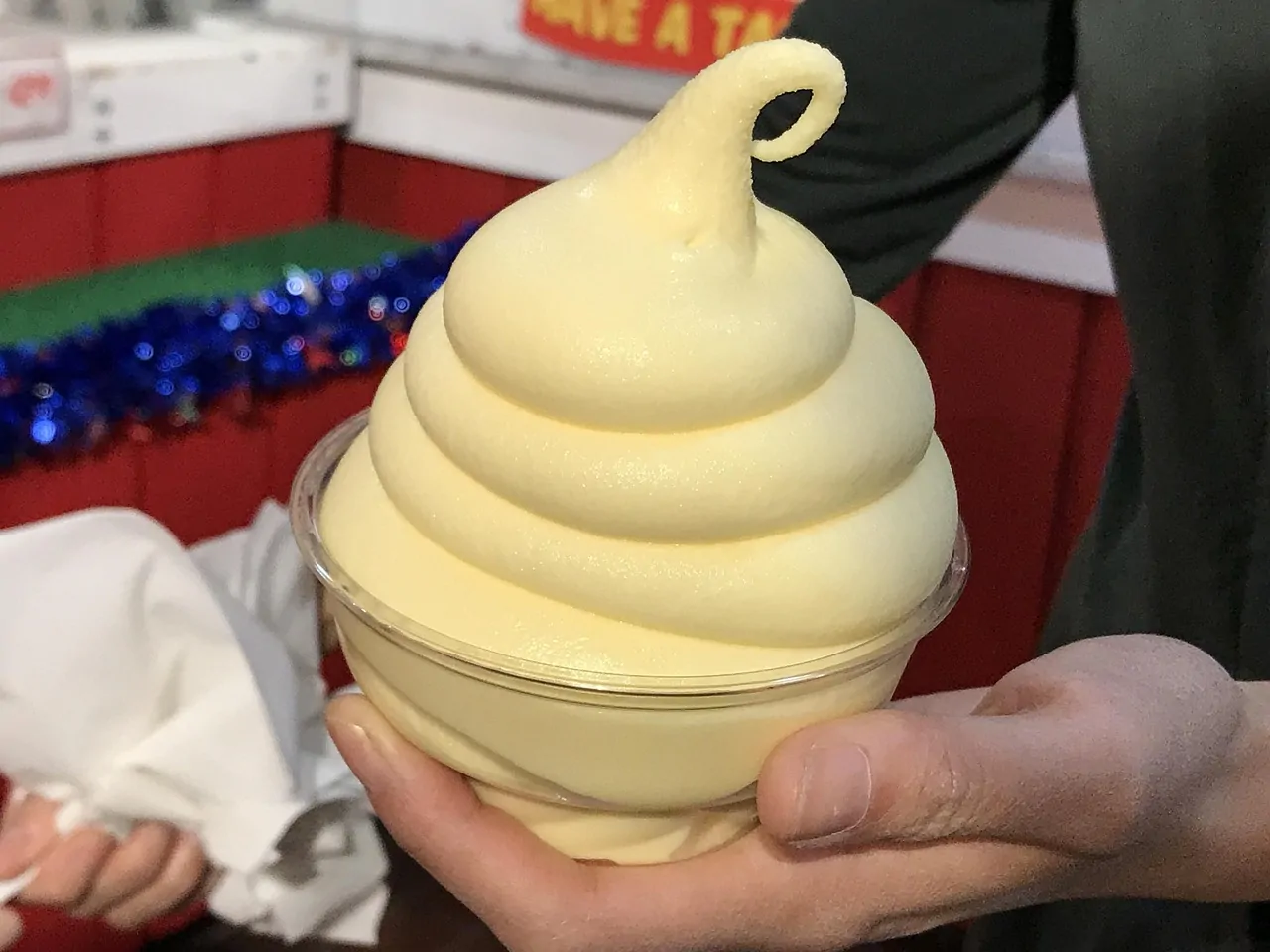
Start with these two numbers
Before touching the recipe, measure:
- Mix temperature before loading. Warm mix lengthens the cycle and produces larger ice crystals.
- Draw temperature of the finished batch. Hard ice cream is typically served around -12 degrees C, which is firm enough to scoop and soft enough to eat.
If either number is off, fix that first. No stabilizer blend compensates for mix that goes in too warm or product drawn too soft.
Troubleshooting table
| What you see | Most likely causes | First check |
|---|---|---|
| Soft, wet product at draw | Cycle stopped too early, mix too warm, warm ambient, low refrigerant charge | Draw temperature and cycle time against your baseline |
| Icy or coarse texture | Large ice crystals from slow freezing, warm mix, low solids, or refreezing | Mix temperature and freeze time; check cabinet for temperature swings |
| Buttery or greasy | Batch over-churned, too much fat, too little stabilizer | Cycle time; stop the machine when texture is right, not on the timer alone |
| Gummy or sticky | Excess stabilizer, high overrun combined with low solids | Confirm the mix supplier’s stabilizer level; weigh, do not guess |
| Sandy or grainy | Lactose crystallization from temperature fluctuation, usually during storage | Cabinet and storage temperatures; look for warm spells or door openings |
| Melts too fast at the table | High overrun, low fat, warm serving temperature | Serving cabinet temperature and overrun |
| Fine on day one, poor on day three | Heat shock in the display cabinet | Log cabinet temperatures overnight; look for defrost cycles and door traffic |
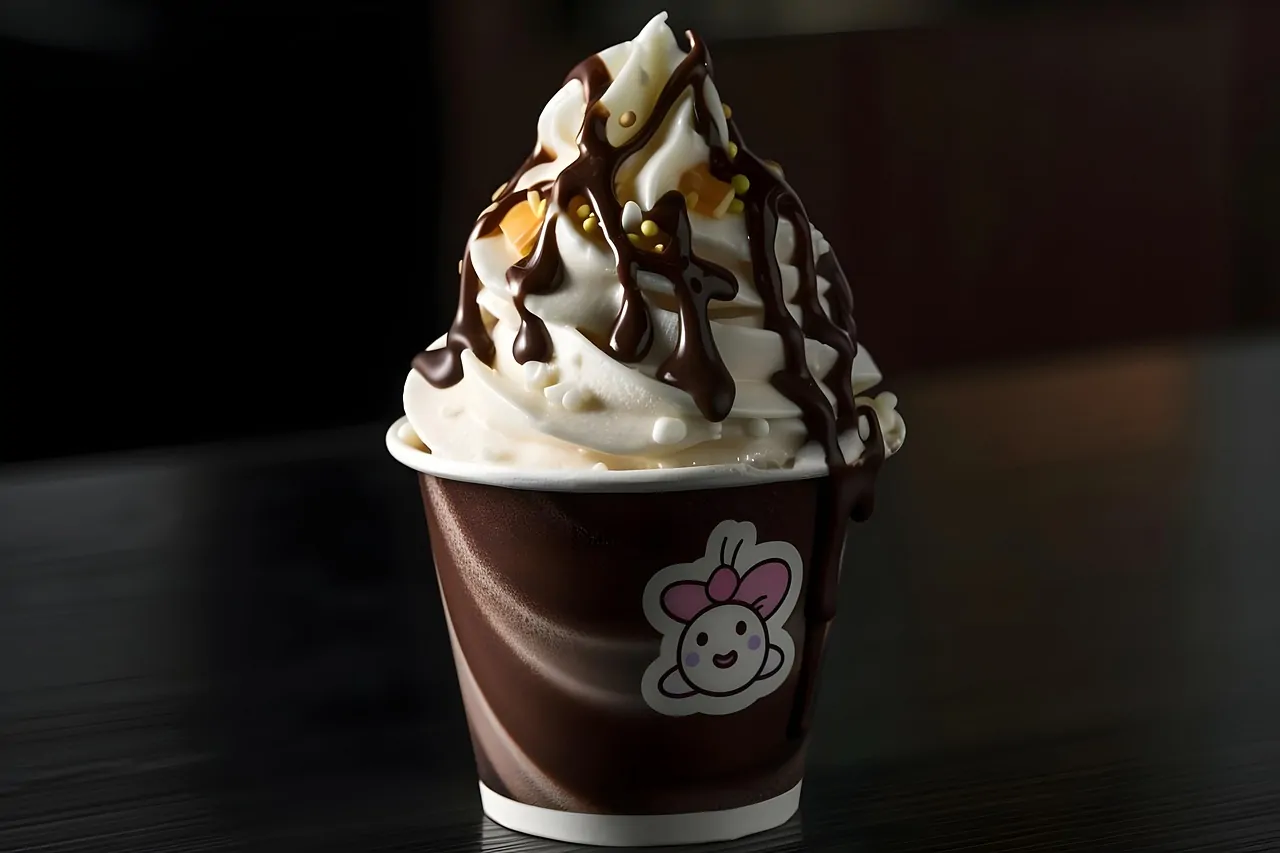
Variable 1: temperature
Temperature is the most common and cheapest problem to fix. Three points matter:
- Mix temperature at loading. Cold mix freezes faster and produces smaller crystals.
- Draw temperature. Product drawn too soft will not hold structure in the display cabinet.
- Cabinet temperature stability. Every warm spike grows ice crystals that never go away.
Scenario: a shop reported “coarse texture” on weekends only. The mix was fine and the machine was fine; the display cabinet was being loaded with two hours of fresh product while the door stayed open during the rush, and the cabinet temperature climbed 4 degrees C. The fix was to load in smaller batches and keep the door closed between serves.
Variable 2: overrun
Overrun is the air whipped into the product. Higher overrun gives a lighter texture, faster melting, and more liters from the same mix. Hard ice cream usually runs lower overrun than soft serve, which is why it tastes denser and costs more per liter to produce.
If your product feels airy or melts quickly, check overrun before changing the recipe. See the continuous freezer vs batch freezer guide for how machine type changes overrun and texture.
Variable 3: mix composition
Fat, sugar, solids, and stabilizer decide how the product behaves before the machine is even involved:
- Fat carries flavor and gives a creamy mouthfeel, but slows freezing.
- Sugar lowers the freezing point; more sugar means softer product at the same temperature.
- Solids add body and help limit ice crystal growth.
- Stabilizer controls water and slows melting, but too much makes the product gummy.
If a recipe works on one machine and fails on another, the difference is usually draw temperature and cycle time, not the recipe.
Variable 4: machine condition
Texture problems that appear gradually usually belong here:
- Worn dasher blades reduce scraping efficiency, which lengthens freezing time and coarsens texture.
- Dirty condenser or blocked airflow raises headroom temperature and slows freezing, especially in summer.
- Gasket wear lets warm air into the cylinder and affects consistency.
- Low refrigerant charge shows up as longer cycles and softer product at the same settings.
Keep a baseline: cycle time for each flavor, at your normal mix temperature, in normal ambient. When the number drifts, service the machine instead of changing the recipe.
FAQ
Why is my ice cream icy instead of creamy?
Usually because it froze too slowly or warmed up after freezing. Check the mix temperature before loading, the cycle time against your baseline, and the display cabinet’s stability overnight.
Why does my gelato taste greasy?
Most often the batch was churned too long, which over-whips the fat. Stop on texture, not only on the timer, and check that the dasher and cylinder are in good condition.
Why does the texture change after two days in the cabinet?
That is heat shock: small temperature swings grow ice crystals and dry the surface. Log cabinet temperatures and reduce how often and how long the lid or door stays open.
Can I fix texture problems with more stabilizer?
Only if the cause is water control. Adding stabilizer to fix a temperature or overrun problem makes the product gummy and hides the real issue.
Next step
Send us your flavor, mix composition, cycle time, draw temperature, and a photo of the batch. We will tell you which of the four variables to change first. Request a texture diagnosis, and keep the maintenance checklist next to the machine.
Which texture problem costs you the most product: too soft, too icy, or unstable after a day? Tell us in the comments.
Some information may be outdated
Comments
Questions about equipment capacity, voltage, or recipes? Leave a comment.
Loading comments...