The essential gelato shop equipment is a batch freezer, pasteurizer or mix preparation system, aging tank, blast freezer, storage freezer, display case, accurate scales, thermometers, cleaning equipment, and a complete serving station. A small shop may combine several functions in one machine; a larger shop may separate them to protect throughput and food safety.
The most common opening-day mistake is buying equipment as a list of individual machines. Gelato production is a chain. Mix preparation affects freezing time, freezing affects texture, hardening affects shelf life, and display temperature affects what customers actually taste. Every piece must fit the demand of the one before and after it.
Use this checklist to plan the workflow from delivery door to display case.
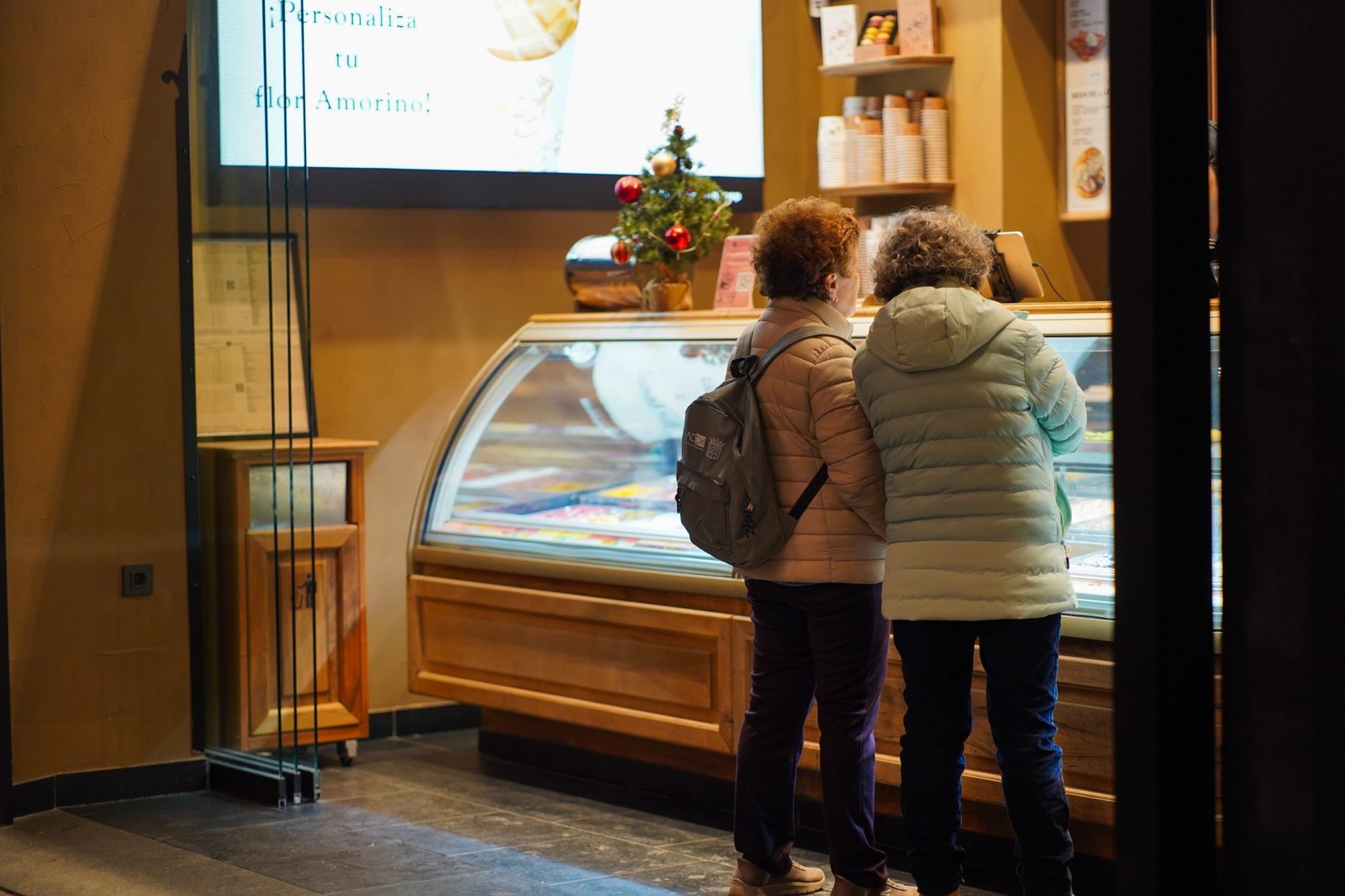
Quick answer: the gelato shop equipment checklist
| Area | Essential equipment | What it controls |
|---|---|---|
| Mix preparation | Scales, thermometer, whisk, pasteurizer or hot-process system | Recipe accuracy and food safety |
| Aging | Covered aging tank or suitable refrigerated container | Flavor, texture, and freezing consistency |
| Freezing | Batch freezer with one or more cylinders | Overrun, texture, output, and flavor separation |
| Hardening | Blast freezer or rapid-hardening cabinet | Final texture and shelf life |
| Storage | Commercial freezer with airflow and labels | Stock control and product safety |
| Display | Gelato display case or pozzetti system | Service temperature and visual appeal |
| Cleaning | Three-compartment sink, sanitizer, brushes, spare gaskets | Hygiene and machine reliability |
| Service | Scoops, trays, cups, cones, spoons, toppings, labels | Speed and presentation |
| Safety | Thermometers, gloves, cleaning logs, first-aid supplies | Compliance and consistent operation |
Your exact list depends on whether you make gelato from a prepared base, pasteurize from raw ingredients, or buy a ready-to-freeze mix.
1. Mix preparation equipment
Good gelato begins before the batch freezer. Your production area needs accurate measurement and temperature control.
Required items
- Digital scale with at least 0.1 g resolution for stabilizers and flavors.
- Larger scale for milk, cream, sugar, and fruit.
- Calibrated probe thermometer.
- Stainless-steel mixing containers.
- Whisk, immersion blender, or batch mixer.
- Recipe cards or a production system that records batch numbers.
- Label printer or waterproof labels.
Optional upgrades
- Pasteurizer for consistent heating and cooling.
- Homogenizer for a smoother mix.
- Fruit-processing equipment for purees and inclusions.
- Ingredient prep refrigerator close to the production table.
If you pasteurize in house, document the temperature and holding time. Food-safety requirements vary by location, so confirm the rules with your local health authority before designing the room.
2. Aging and refrigeration
Many gelato mixes need time to hydrate, stabilize, and develop flavor before freezing. An aging tank keeps the mix at a controlled temperature and makes the next production step more predictable.
For a small shop, a covered refrigerated container can work if temperature is monitored and the mix is used within the approved time. For a busy shop, a dedicated aging tank reduces handling and protects consistency.
Look for:
- Easy-to-clean interior surfaces.
- Accurate temperature control.
- Protection from cross-contamination.
- Enough capacity for the next production day.
- Clear labeling for flavor, date, and batch number.
Plan aging capacity around your production schedule. If you make 20 liters in the morning and another 20 liters in the afternoon, a 20-liter tank may be too small when yesterday’s mix is still waiting.
3. Batch freezer
The batch freezer turns the prepared mix into gelato. It is usually the most expensive and most important production machine in the shop.
Ask these questions before choosing a model:
- How many liters does each cycle produce?
- How long does a cycle take with a typical gelato mix?
- How long is the recovery time between batches?
- Does it have one bowl or independent circuits?
- Can it handle dairy, fruit, chocolate, and nut flavors without cross-contamination?
- How difficult is cleaning?
- What voltage and breaker size does it require?
- Are gaskets and control parts available locally?
If your menu has several popular flavors, read the batch freezer sizing guide before ordering. A machine can look large enough in total liters yet still block sales during peak hours because the cycle time is too long.
4. Hardening and storage
Gelato leaving the batch freezer is soft. It needs rapid hardening before it reaches its final serving texture.
Blast freezer
A blast freezer lowers the product temperature quickly, limits ice-crystal growth, and gives you better control over shelf life. Check tray dimensions, airflow, batch load, and recovery time. A blast freezer that is too small creates a queue behind the batch freezer.
Storage freezer
Use a commercial freezer with airflow around every container. Do not stack warm product tightly. Every container should have:
- Flavor name.
- Production date.
- Batch number.
- Allergen information.
- Use-by date or rotation code.
The display case is not long-term storage. It is a selling tool, and product should rotate through it according to demand.
5. Display equipment
Gelato display cases do more than keep product cold. They protect texture, show color and inclusions, and help staff serve quickly.
Check:
- Temperature range and recovery after opening the lid.
- Number of pans or trays.
- Visibility from the customer side.
- Access angle for staff.
- Drainage and cleaning access.
- Power requirements.
- Ability to separate allergens.
If you expect a high turnover of many flavors, compare a traditional display case with a pozzetti system. The best choice depends on your service style, not only on appearance.
6. Cleaning and sanitation
Gelato contains dairy, sugar, fruit, nuts, and other ingredients that support microbial growth. Cleaning is part of production, not a task left for closing.
Plan for:
- Three-compartment sink or approved wash area.
- Food-safe sanitizer and test strips.
- Dedicated brushes for cylinders, gaskets, drains, and floors.
- Spare gaskets and small replacement parts.
- Drainage that keeps wastewater away from food surfaces.
- Cleaning logs for machines, display cases, and freezers.
- Staff training on full disassembly and reassembly.
A machine that takes an hour to clean after every flavor change will reduce your menu flexibility. Ask the supplier to demonstrate cleaning before purchase. This is especially important for shops that plan to sell vegan and dairy flavors from the same production area.
7. Service counter and packaging
The production room and service counter must work together during the busiest hour.
Essential service items include:
- Gelato scoops and warm-water container.
- Serving trays and pan scrapers.
- Cups, cones, spoons, napkins, and lids.
- Toppings, sauces, and allergy-safe tools.
- Labels, price cards, and flavor signs.
- Point-of-sale system or register.
- Waste bins placed out of the customer path.
Keep a restock plan for peak days. Running out of cups or clean scoops slows service just as surely as a machine breakdown.
Equipment layout: build a flow, not a collection
A practical small-shop layout follows this sequence:
- Receiving and dry storage: ingredients enter and are checked.
- Preparation: scaling, mixing, pasteurizing, and cooling.
- Aging: covered refrigerated holding.
- Freezing: batch freezer close to mix and trays.
- Hardening: blast freezer within easy carrying distance.
- Storage: labeled freezer stock.
- Display: product moves to the front case.
- Service: staff serve and restock without crossing dirty cleaning zones.
Draw this flow on the floor plan. If staff must carry open product through a customer area or past dirty dishes, the layout will create delays and safety risks.
A realistic equipment budget
For a small independent gelato shop, the production side often falls into these planning ranges:
- Batch freezer: $8,000-$22,000.
- Pasteurizer or mix system: $5,000-$25,000, depending on capacity and automation.
- Aging tank or refrigerated holding: $1,500-$8,000.
- Blast freezer: $3,000-$15,000.
- Display case: $3,000-$12,000.
- Storage freezers and preparation equipment: $3,000-$10,000.
These are broad planning ranges. Shipping, electrical work, plumbing, ventilation, customs, and installation are additional. Review the full commercial ice cream machine cost guide before setting the final budget.
Seven-day opening checklist
Seven days before
- Confirm machine voltage, breaker, drain, and ventilation.
- Run a full cleaning and reassembly drill.
- Test every recipe with the actual base and inclusions.
- Check display-case temperature recovery.
Three days before
- Produce shelf-stable test batches and label them.
- Train staff on batch records and allergen separation.
- Confirm supplier delivery schedules.
- Prepare cleaning logs and opening checklists.
One day before
- Chill mix to the recommended temperature.
- Clean and sanitize all product-contact parts.
- Stock cups, cones, spoons, labels, and toppings.
- Set the display case and freezers to their operating temperatures.
Opening morning
- Record temperatures before production.
- Freeze the first batch and check texture.
- Confirm display rotation and flavor cards.
- Keep a small batch plan in reserve for unexpected demand.
Frequently asked questions
What equipment is essential for a gelato shop?
At minimum, you need accurate mix preparation tools, a batch freezer, rapid hardening, storage, a display case, cleaning equipment, and a safe service station. Pasteurizing and aging equipment become more important as production volume and food-safety requirements increase.
Can one machine pasteurize and freeze gelato?
Some combination machines perform multiple functions. Check the actual cycle time, capacity, cleaning routine, and local food-safety approval before relying on one machine for every production step.
How much display space do I need?
Estimate the number of flavors you sell during peak hours and the number of pans you need for each one. Add space for backups and seasonal flavors. A display case that is too small causes frequent restocking and temperature swings.
Do I need a blast freezer?
It is strongly recommended for a shop that wants consistent texture and controlled production. If volume is very low, a commercial freezer and careful tray management can work, but hardening will take longer and quality control is harder.
Build the workflow before the shopping list
The right gelato shop equipment plan connects mix preparation, freezing, hardening, storage, display, and cleaning. When one link is undersized, the whole shop slows down.
Send us your planned number of flavors, daily liters, peak-hour demand, room dimensions, and available power. Request a GLACIO shop equipment review and we will help you identify the production capacity and layout questions to settle before opening day.
Which piece of equipment worries you most: the batch freezer, pasteurizer, or display case? Leave a comment and tell us what you are planning.
Leave a Reply