




Quick answer: A gelato machine can create a second revenue shift when it turns an existing café, bakery or tea-shop visit into a higher-value dessert occasion. Sell a small, high-contribution menu during quiet afternoon and evening hours, track attachment rate and waste weekly, and size the machine to peak demand rather than daily average.
The machine is not the business by itself. It creates production capacity. Revenue appears when the team gives customers a reason to buy dessert at a time when the counter would otherwise be quiet.
This guide uses a deliberately simple model. It shows where the extra cash comes from, how to test the numbers before ordering and what to launch in the first 30 days. The selling prices and costs below are illustrative, not market statistics or a promise of results.
By the GLACIO Machinery Team | Updated October 27, 2026 | 8 minute read
What is a “second revenue shift”?
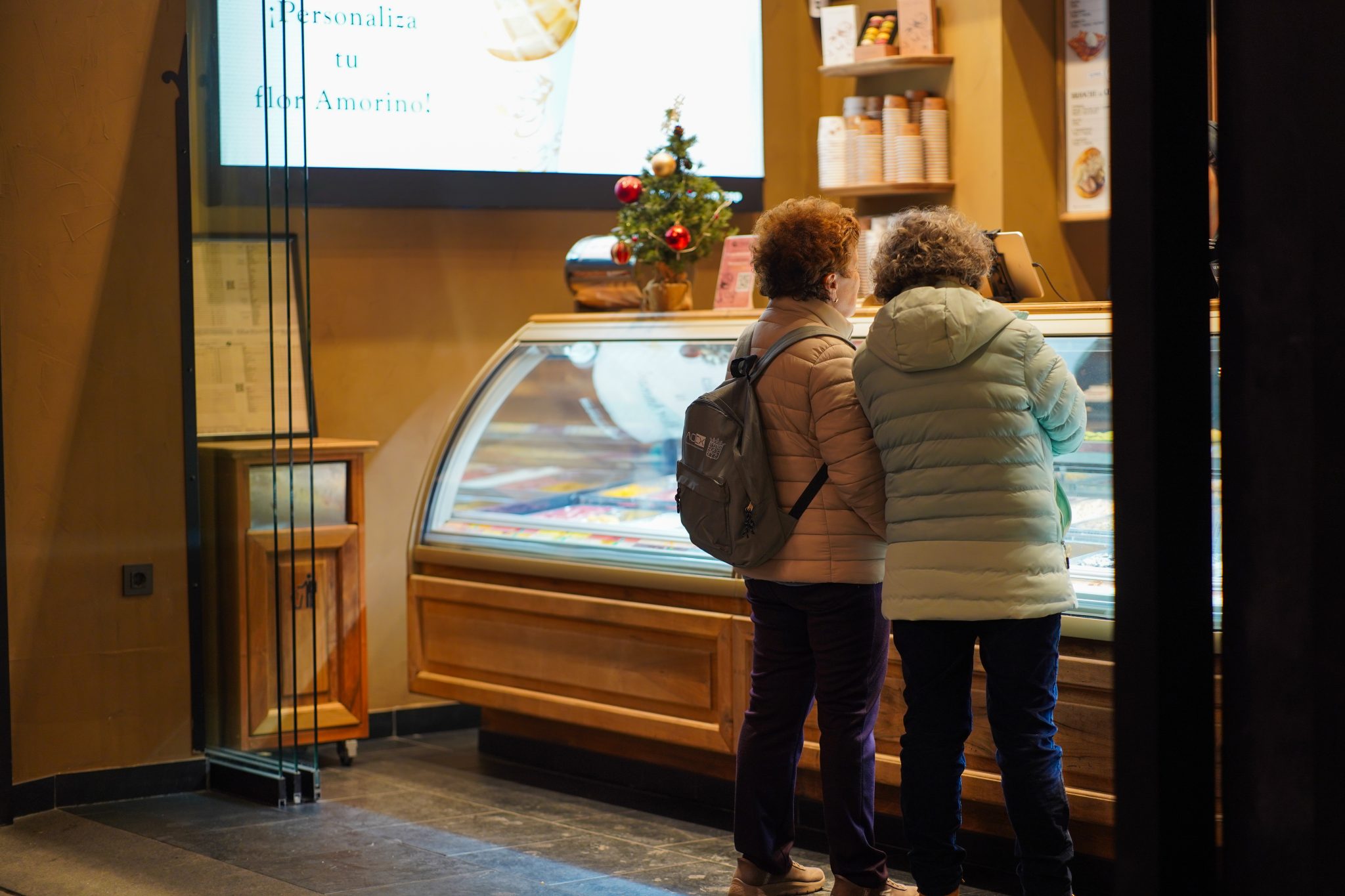
A second revenue shift is a new selling period or purchase occasion created from assets the shop already has: counter space, staff, refrigeration, utilities, customers and a payment system.
For many cafés, the first shift is morning coffee. For a bakery, it may be breakfast and lunch. For a bubble tea shop, it may be the after-school and evening rush. Gelato can extend the same location into a dessert stop between those peaks.
The goal is not to fill every seat all day. The goal is to add profitable transactions during hours that already carry rent and basic labour.
Where the extra revenue comes from
1. Attach dessert to an existing visit
The lowest-friction sale is an add-on from a customer already at the counter. A coffee customer adds a small gelato; a pastry customer adds a scoop; a boba customer chooses a gelato float.
Measure this as attachment rate: transactions containing gelato ÷ eligible transactions. If 500 customers pass through a day and 6% buy gelato, that is 30 servings. At a $5.50 selling price, the example generates $165 in top-line sales before costs.
Attachment is more useful than total cups alone because it shows whether the new menu item is working inside the existing store flow.
2. Create an afternoon and after-dinner occasion
Coffee and lunch traffic often fall before the evening meal. A visible gelato counter can give local customers a reason to visit between those periods and after dinner.
Start with a clear window such as 2–5 p.m. or 7–10 p.m. Promote one limited flavour, a two-scoop deal or a dessert pairing. A defined window is easier to measure than “we now sell gelato all day.”
3. Raise the value of products already on the menu
Gelato can turn a familiar item into a higher-priced signature dessert:
- Café: affogato, gelato latte float or espresso tasting pair.
- Bakery: warm croissant with gelato, brownie à la mode or cake pairing.
- Bubble tea shop: gelato float, cream-top drink or scoop-and-tea combo.
- Restaurant: a fast dessert that can be plated without adding a pastry chef.
Price the complete item, not just the scoop. The combination should feel like a deliberate dessert rather than an ingredient with a markup slapped on top.
4. Add preorders and small group orders
Office dessert boxes, celebration packs, tasting flights and seasonal preorders can use capacity during scheduled production periods. They reduce the randomness of walk-in demand and make labour planning easier.
Do not launch group ordering before the counter operation is stable. First confirm that flavour quality, packing and pickup timing work for individual customers.
Build the unit economics before choosing the machine
Use contribution per serving, not revenue alone. Contribution equals selling price minus variable serving costs such as ingredients, packaging, samples and waste.
| Illustrative line | Amount | Planning note |
|---|---|---|
| Selling price | $5.50 | Example only; set from local positioning and taxes |
| Ingredients and mix-ins | $1.10 | Use the actual recipe and portion weight |
| Cup, cone, spoon and napkin | $0.30 | Local supplier price |
| Sample and waste allowance | $0.15 | Replace with measured waste after launch |
| Contribution per serving | $3.95 | Before added labour, energy and fixed costs |
At 20 additional servings per day for 30 days, the example contribution is $2,370 per month. If the new dessert station adds $500 in variable labour and $100 in incremental energy, the illustrative monthly contribution falls to $1,770.
The U.S. Small Business Administration’s startup-cost guidance supports the same discipline: include one-time and ongoing costs before judging affordability. For the equipment decision, divide the full installed cost by a realistic monthly contribution. Test low, base and upside demand scenarios separately.
This is not a demand forecast. Replace every line with your shop’s prices, recipe costs, wage rates and observed traffic.
Choose the machine around the busiest 60 minutes
Daily average demand hides service risk. A shop may need only 18 litres across an afternoon, yet run out because most servings occur in one 45-minute window.
List the number of servings in the busiest hour, the average portion size and the number of flavours that must remain available. Add time for loading, texture recovery, flavour changes and cleaning. Then compare the result with the machine’s nominal output and batch cycle.
| GLACIO model | Visible bowls | Nominal output | Revenue-stage fit |
|---|---|---|---|
| GB-1 | 1 × 6 L | 14 L/h | One signature flavour or a controlled menu test |
| GB-2 | 2 × 6 L | 28 L/h | Staple flavour plus a rotating seasonal option |
| GB-4 | 4 × 6 L | 56 L/h | Busy shop needing four choices and two refrigeration circuits |
| GB-6 | 6 × 6 L | 84 L/h | High-traffic flagship with six flavours and three circuits |
Published output is a starting point, not a daily-sales guarantee. Batch time is typically 15–20 minutes and varies with mix temperature, recipe, batch size and texture target. Use the full GB series comparison before selecting a counter footprint.
The menu that makes the second shift work
A short menu sells better than an empty promise of endless flavours. Start with three roles:
- Two familiar flavours that are easy to recommend and repeat.
- One rotational flavour that gives local customers a reason to return.
- One signature pairing that uses a product you already sell.
Place the gelato where customers can see it from the order point. Put the signature pairing beside the existing core product, not on a separate dessert menu that customers discover too late. Staff should be able to explain the pairing in one sentence.
A 30-day launch plan
| Period | Action | Measure |
|---|---|---|
| Days 1–3 | Finalize recipes, portions, packaging and base price | Cost per serving and target contribution |
| Days 4–7 | Train the team on batch timing, cleaning and allergen answers | Day-one errors and service time |
| Days 8–14 | Launch a small menu and offer a staff-recommended pairing | Attachment rate and most-requested flavour |
| Days 15–21 | Promote a fixed afternoon or evening window | Sales by hour and repeat visits |
| Days 22–30 | Remove slow items and test one preorder pack | Waste, contribution and preorder margin |
Five numbers to review every week
- Attachment rate: eligible transactions that include gelato.
- Contribution per serving: selling price minus variable costs.
- Waste percentage: discarded product divided by produced volume.
- Peak-hour stockout minutes: time without a sellable flavour.
- Contribution per added labour hour: incremental contribution divided by added staff time.
If sales grow but waste grows faster, reduce flavour count or batch size. If stockouts grow, improve the production schedule or review capacity. If labour absorbs the contribution, simplify the menu before considering a larger machine.
Common launch mistakes
Buying for daily output: peak service, not average volume, determines whether customers wait or leave.
Launching too many flavours: each additional flavour adds preparation, cleaning and waste before it adds loyal customers.
Making dessert invisible: a second revenue shift still needs a visible cue at the counter and a simple staff prompt.
Ignoring cleaning labour: the machine’s output is useful only if the team can complete its cleaning routine without delaying the next service period.
Treating revenue as profit: ingredients, packaging, labour, energy and waste belong in the model before payback is calculated.
For the deeper payback formula, compare this operating model with the commercial ice cream machine ROI guide. For running costs, use the cost-per-litre breakdown.
Frequently asked questions
Can a coffee shop really add a second revenue shift with gelato?
Yes, if the shop already has enough customer traffic, visible counter space and staff availability. The strongest approach is to attach gelato to existing purchases first, then build a separate afternoon or after-dinner promotion.
How many servings per day are needed for a gelato machine?
There is no universal break-even number. Calculate contribution per serving, subtract added labour and energy, then compare the result with the installed cost. Use conservative, base and peak-demand scenarios rather than a single forecast.
Should a café start with GB-1 or GB-2?
GB-1 suits a controlled single-flavour test. GB-2 is easier to justify when customers expect a familiar flavour plus a rotating option and the busiest hour needs more production buffer.
Does higher revenue mean the machine is profitable?
No. Revenue becomes useful contribution only after ingredients, packaging, added labour, energy, waste and maintenance are considered. Review both contribution and utilisation.
Request a sizing review for your second revenue shift
Tell GLACIO your store type, busiest-hour customer count, planned selling price, menu concept, flavour count, available counter area and destination voltage. We will help map those assumptions to a GB configuration and a realistic production schedule.
Request a gelato machine sizing and revenue review. You can compare the GB-1, GB-2, GB-4 and GB-6 product pages first, but start with the customer flow you want to create after coffee, lunch or tea service.
Some information may be outdated
Comments
Questions about equipment capacity, voltage, or recipes? Leave a comment.
Loading comments...